
Blog
Brand vs. Generic Medications: What’s the Difference?

Introduction
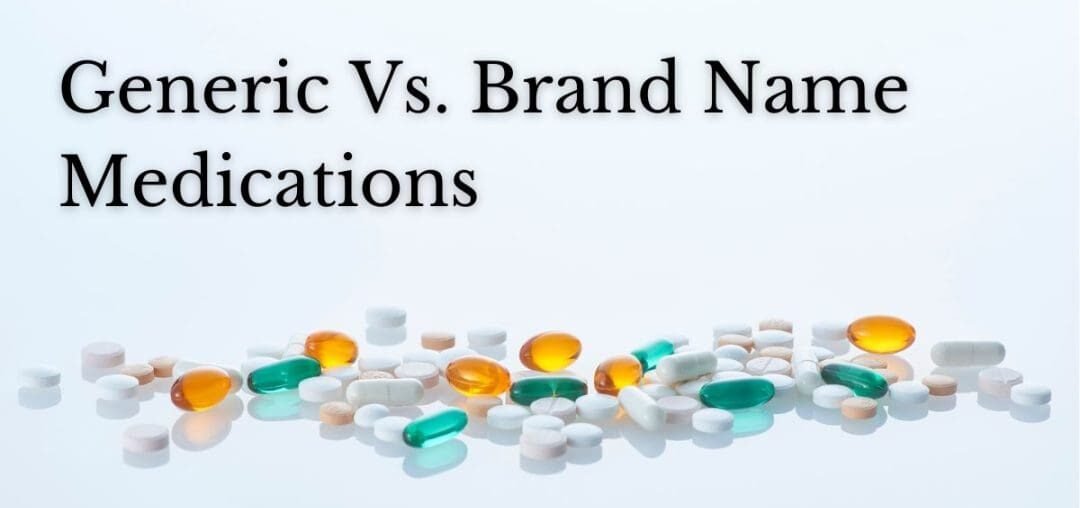
When you’re prescribed or purchasing a medication, you may notice that there are often two versions available: a brand-name medication and a generic medication. While many people assume the more expensive brand-name option is superior, generic medications have become a trusted and widely used alternative that can provide the same therapeutic benefits at a significantly lower cost.
Despite their widespread use, many misconceptions still exist about generic medicines. Are they as effective? Are they just as safe? Why do they cost less? Understanding the differences between brand and generic medications can help you make informed healthcare decisions and potentially reduce your healthcare expenses without compromising quality.
In this guide, we’ll explain what brand and generic medications are, how they differ, and why healthcare professionals often recommend generic alternatives when appropriate.
What Are Brand-Name Medications?
A brand-name medication is the original version of a drug developed by a pharmaceutical company. Before reaching the market, these medications undergo years of research, laboratory testing, clinical trials, and regulatory review to demonstrate their safety, effectiveness, and quality.
Once approved, the manufacturer is typically granted patent protection for a period of time, allowing the company to exclusively market and sell the medication under its brand name.
Well-known examples include medications marketed under proprietary brand names for conditions such as high blood pressure, diabetes, allergies, anxiety, sleep disorders, and pain management.
During the patent period, no other manufacturer may produce an identical generic version.
What Are Generic Medications?
Generic medications are versions of brand-name drugs that become available after patent protections expire or when legal requirements permit generic competition.
A generic medication contains the same active ingredient as the brand-name product and is intended to deliver the same therapeutic effect when used according to approved labeling.
Although the appearance of a generic medication may differ in color, shape, size, or packaging, the active ingredient and intended medical purpose remain the same.
Generic medications have become an important part of modern healthcare because they help improve access to treatment while reducing overall healthcare costs.
The Main Differences Between Brand and Generic Medications
Although they share many similarities, there are a few differences consumers should understand.
Active Ingredients
The most important similarity is that both brand-name and generic medications contain the same active ingredient.
The active ingredient is the component responsible for producing the intended therapeutic effect.
Appearance
Generic medications may look different from brand-name versions.
Differences can include:
- Tablet color.
- Capsule color.
- Shape.
- Size.
- Packaging.
- Imprinted markings.
These differences are usually related to trademarks or manufacturing choices rather than the medication itself.
Inactive Ingredients
While the active ingredient remains the same, inactive ingredients—sometimes called excipients—may vary.
Inactive ingredients can include:
- Fillers.
- Coloring agents.
- Flavorings.
- Coatings.
- Preservatives.
These ingredients generally do not affect how the medication works, although individuals with allergies or sensitivities should review ingredient information and consult a healthcare professional if they have concerns.
Cost
One of the biggest differences is price.
Generic medications often cost considerably less than their brand-name counterparts because manufacturers do not have to repeat the extensive research and development process required to create the original drug.
Competition among multiple manufacturers also helps lower prices.
Are Generic Medications Just as Effective?
A common question among patients is whether generic medications work as well as brand-name drugs.
Regulatory authorities require generic medications to meet strict standards before they can be marketed. These standards are designed to ensure that generic medications perform in a comparable manner to the corresponding brand-name product.
For most patients and most medications, generic versions provide the same intended therapeutic benefits when used as directed.
Are Generic Medications Safe?
Yes. Generic medications are subject to regulatory oversight and manufacturing quality standards.
Manufacturers must comply with strict quality control requirements related to:
- Manufacturing practices.
- Product quality.
- Purity.
- Stability.
- Labeling.
- Facility inspections.
Consumers should always purchase medications from reputable pharmacies to help ensure product quality and authenticity.
Why Do Generic Medications Cost Less?
Many people mistakenly believe lower cost means lower quality.
In reality, generic medications are often less expensive because manufacturers do not bear many of the initial costs associated with developing the original medication.
These costs may include:
- Drug discovery.
- Laboratory research.
- Clinical trials.
- Marketing campaigns.
- Brand promotion.
Once patents expire, multiple manufacturers may produce generic versions, increasing competition and helping reduce prices.
Advantages of Brand-Name Medications
Brand-name medications may offer certain advantages in some situations.
These can include:
- Familiar product recognition.
- Long-established reputation.
- Consistent appearance and packaging.
- Availability of manufacturer-sponsored patient support programs.
Some healthcare providers may recommend remaining on a specific brand depending on individual clinical circumstances.
Advantages of Generic Medications
Generic medications provide numerous benefits for many patients.
Advantages include:
- Lower cost.
- Greater affordability.
- Comparable therapeutic effectiveness.
- Broad availability.
- Increased access to treatment.
These benefits have contributed to the widespread use of generic medications across many areas of healthcare.
Can You Switch Between Brand and Generic Medications?
In many situations, patients may transition between brand-name and generic medications under the guidance of a qualified healthcare professional.
However, every individual is different, and treatment decisions should always consider a person’s medical history, allergies, current medications, and other health factors.
Never change your medication regimen without first consulting your healthcare provider.
Tips for Purchasing Medications Online
Whether you choose a brand-name or generic medication, purchasing from a reputable online pharmacy is essential.
Before placing an order:
- Verify that the website uses secure checkout.
- Review the pharmacy’s contact information.
- Read product descriptions carefully.
- Check shipping and return policies.
- Protect your personal information.
- Consult a healthcare professional if you have questions about your treatment.
Making informed purchasing decisions helps protect both your health and your privacy.
Frequently Asked Questions
Are generic medications identical to brand-name medications?
Generic medications contain the same active ingredient and are intended to provide the same therapeutic effect, although they may differ in appearance or inactive ingredients.
Why are generic medications cheaper?
Generic manufacturers typically do not incur the same research, development, and marketing costs as the original manufacturer, allowing them to offer lower prices.
Are generic medications safe?
Generic medications must meet regulatory quality standards before they can be marketed. Purchasing from reputable pharmacies further helps ensure product quality.
Can inactive ingredients be different?
Yes. Generic medications may contain different inactive ingredients, such as coloring agents or fillers, while maintaining the same active ingredient.
Should I ask a healthcare professional before switching medications?
Yes. Treatment decisions should always be discussed with a qualified healthcare professional, particularly if you have allergies, chronic health conditions, or take multiple medications.
Final Thoughts
Both brand-name and generic medications play an important role in modern healthcare. While brand-name medications are the original products developed through years of research and innovation, generic medications provide a cost-effective alternative that helps improve access to treatment for millions of people.
Understanding the similarities and differences between these options allows you to make informed healthcare decisions with greater confidence. Whether choosing a brand-name or generic product, always purchase medications from a reputable pharmacy and follow the guidance of your healthcare professional.
At NUROTAB, we are committed to providing quality healthcare products, transparent product information, secure ordering, and dependable customer service. Our goal is to help customers make informed decisions while enjoying a safe, convenient, and reliable online pharmacy experience.
